Beyond Home and Work—The Rise of Third Spaces
As the lines between home, work, and social life blur, third spaces are redefining what people want from the spaces they spend time in.
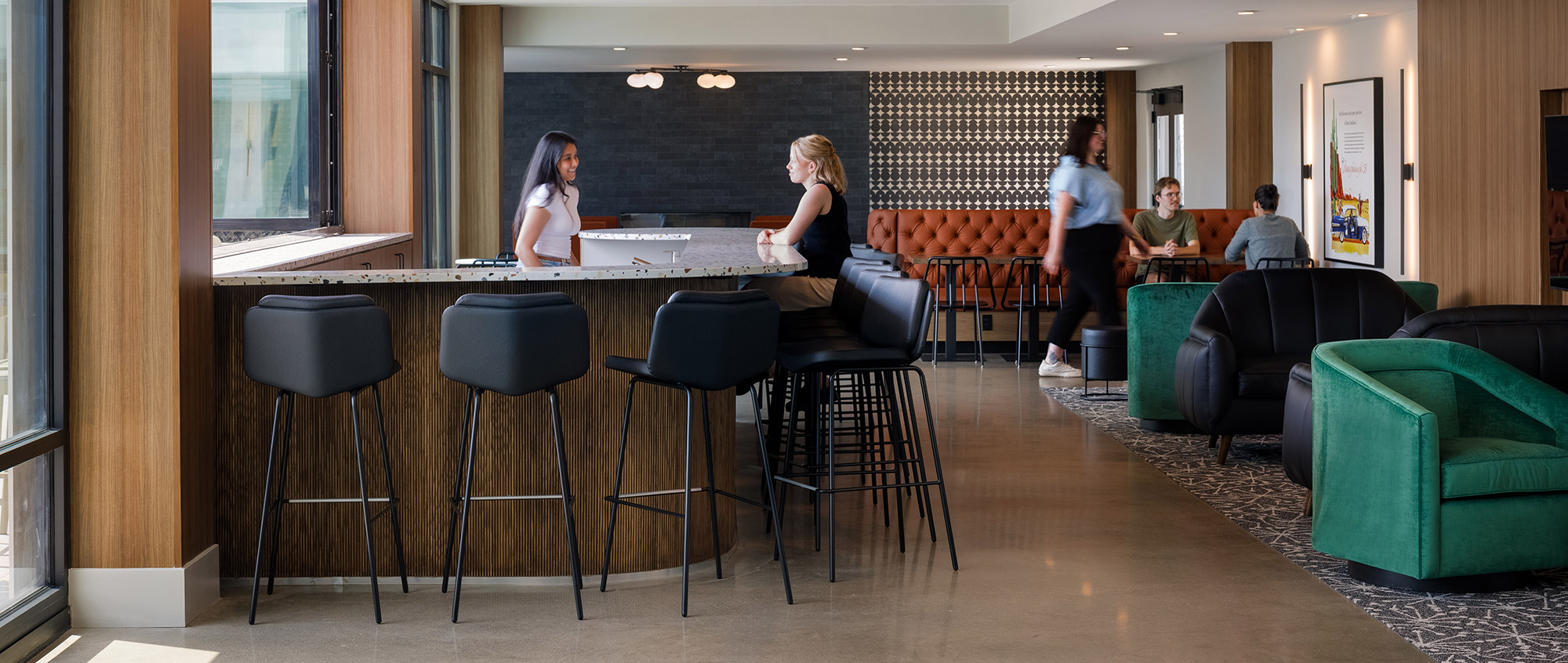
At this point, we’ve all heard the phrase “hospitality-inspired.” It’s become shorthand for spaces that feel softer, warmer, and more inviting—offices layered with lounge seating, ambient lighting, and the comforts of home. And for a while, that worked.
But as expectations around our environments continue to shift, simply making work feel more like home isn’t quite enough. Because when every space starts to feel the same, something gets lost in the middle. That’s where third spaces come in.
First, Second, and the Space In Between
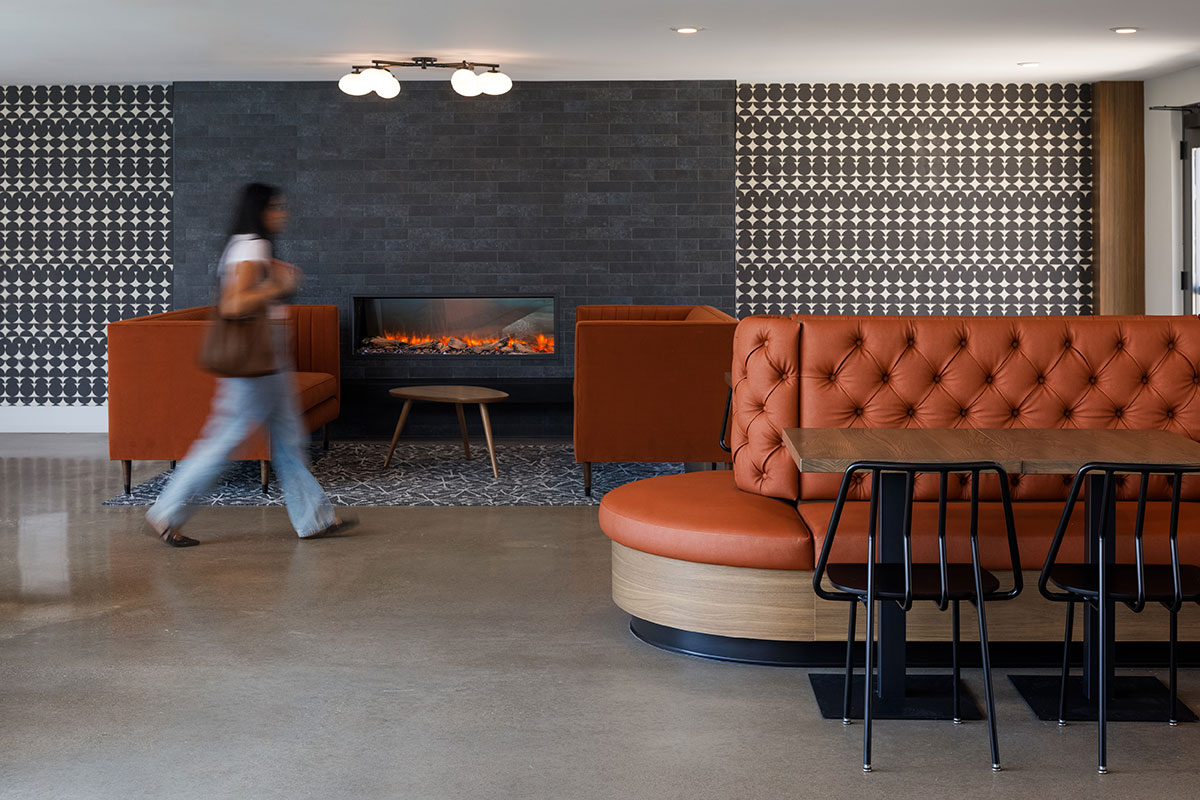
Traditionally, our environments have fallen into two categories: home and work. Home is personal. Private. A place to unwind and exist without expectation. Work is structured and functional. It’s where we go with purpose.
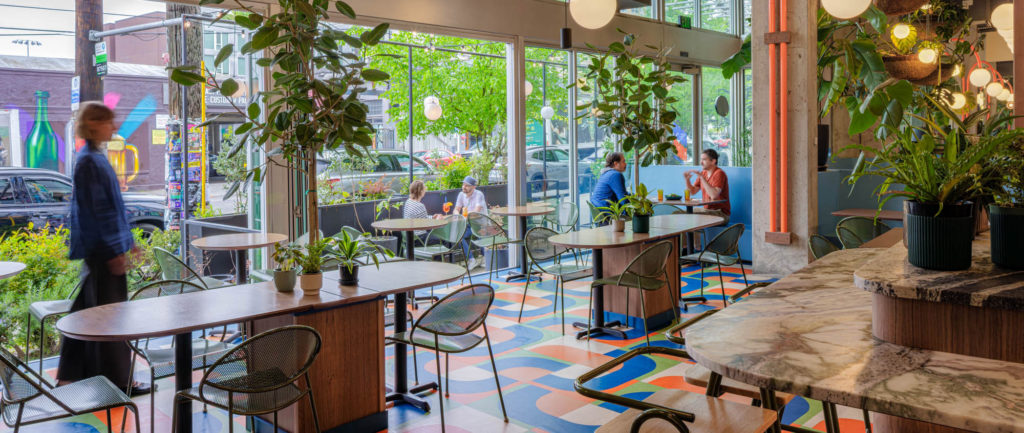
Third spaces exist somewhere in between. They’re the places we choose. The café you stay in long after your coffee is gone. The hotel lobby that invites you to linger. The communal space equally suited for quiet focus, casual conversation, or simply spending time around other people.
What makes third spaces work is that they aren’t defined by a single function. They create room for flexibility, openness, and connection without obligation.
From Hospitality-Inspired to Human-Centered
In many ways, third spaces are a natural evolution of hospitality-inspired design. Hospitality taught us the value of comfort. Softer materials, residential cues, and intentional lighting changed how spaces could feel.
Third spaces go further. They aren’t just designed to be comfortable—they’re designed to support choice. People can decide how they want to engage, how long they want to stay, and what the space means to them in that moment. The expectation of productivity fades, replaced with possibility. And that shift is resonating.
Why They Matter Now
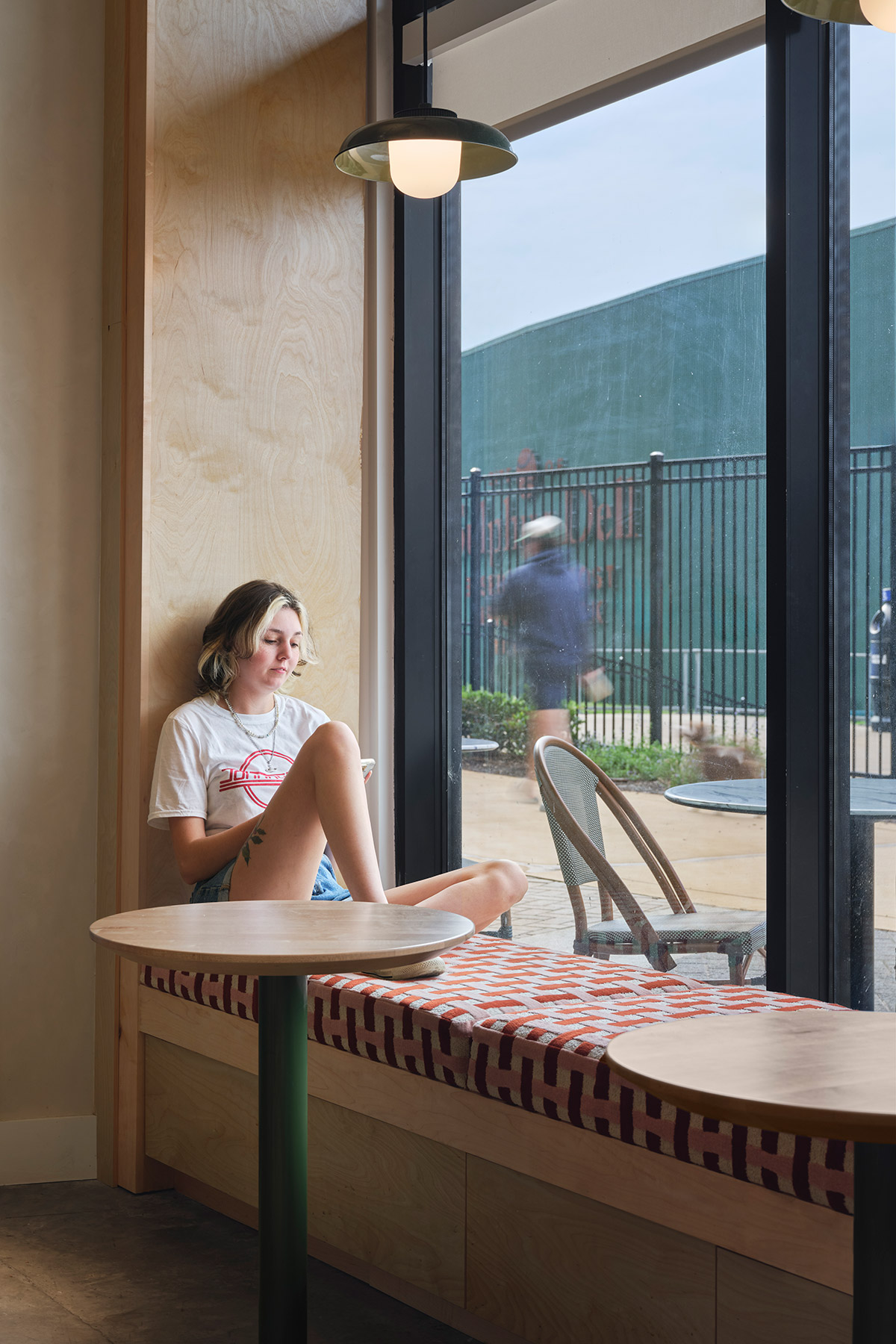
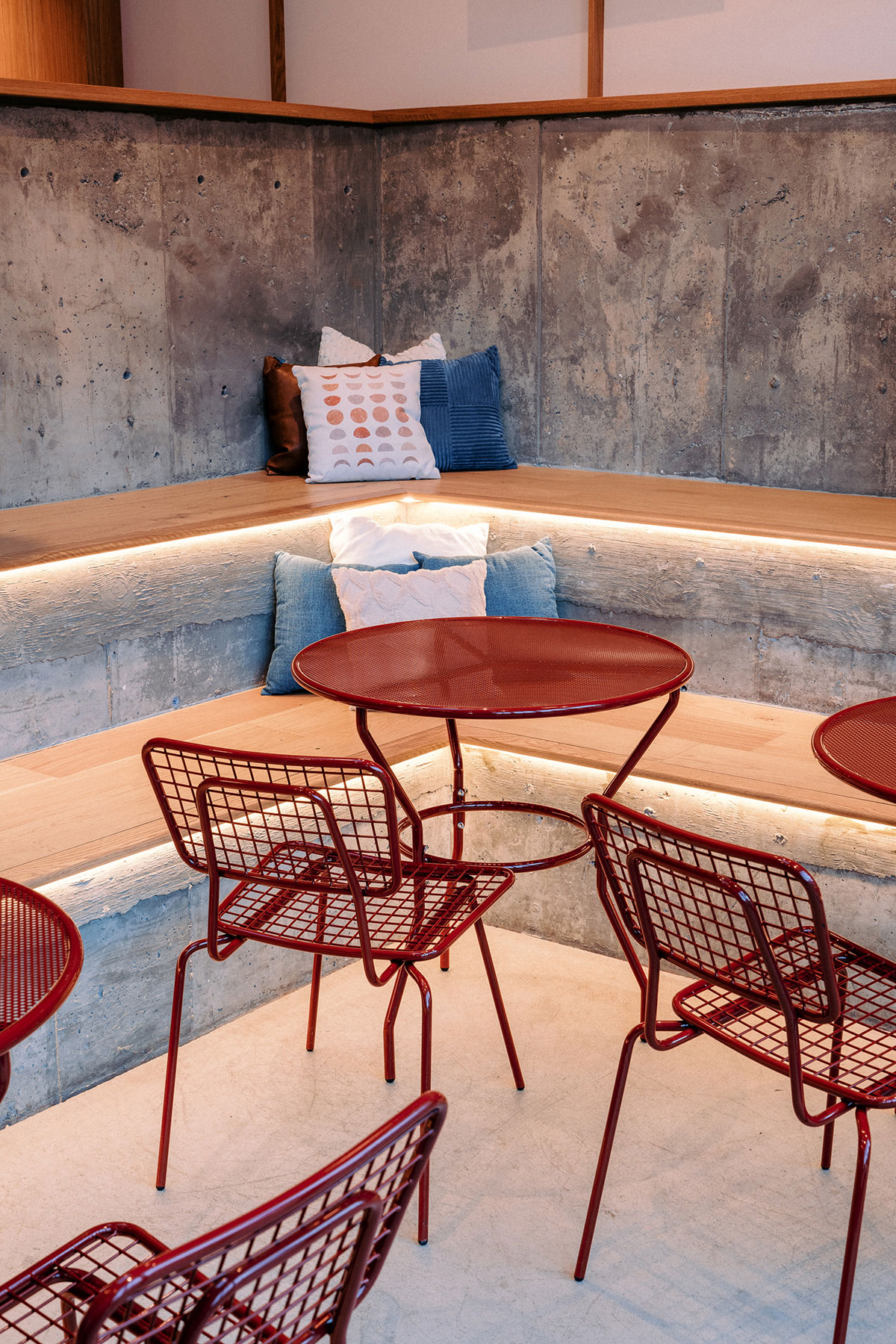
Third spaces aren’t entirely new. Long before “ancillary spaces” became a design buzzword, people were already turning cafés, hotel lobbies, and communal environments into places to work, gather, and spend time. But after years of digital acceleration—remote work, Zoom meetings, mobile ordering, and screen-based everything—people are craving something the digital world can’t replicate: the experience of being around others.
That shift is fueling the resurgence of third spaces. In the wake of digital fatigue and growing conversations around loneliness and isolation, people want spaces that feel social without pressure and engaging without obligation. Even Starbucks has begun revisiting the idea of the “third place,” a concept that originally helped define the brand’s success, as it moves away from a purely grab-and-go, digital-first experience and back toward spaces designed to encourage people to stay awhile.
What’s different today is the expectation of experience. Comfort alone isn’t enough anymore. People are drawn to spaces with atmosphere, identity, and a sense of connection—places that feel memorable, human, and worth choosing to spend time in.
A Third Space in Practice
You can already see this shift happening across hospitality, retail, and community-driven environments.
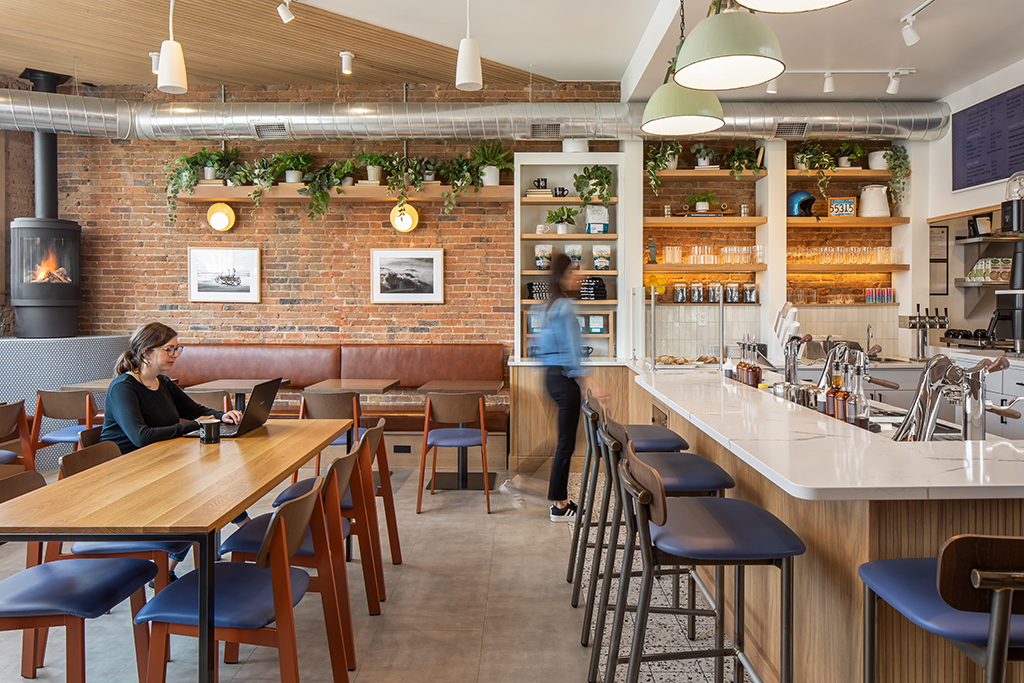
At Getaway Motor Café in Carver, Minnesota, the space transitions effortlessly throughout the day—from morning coffee destination to evening cocktail spot. But what makes it successful isn’t just the flexibility. It’s the intention behind it.
The atmosphere encourages people to stay. Guests can settle into a quiet corner, gather around a communal table, or move through the space as the energy changes from day to night. It’s not just a place to grab a drink. It’s a place people return to because they want to be there.
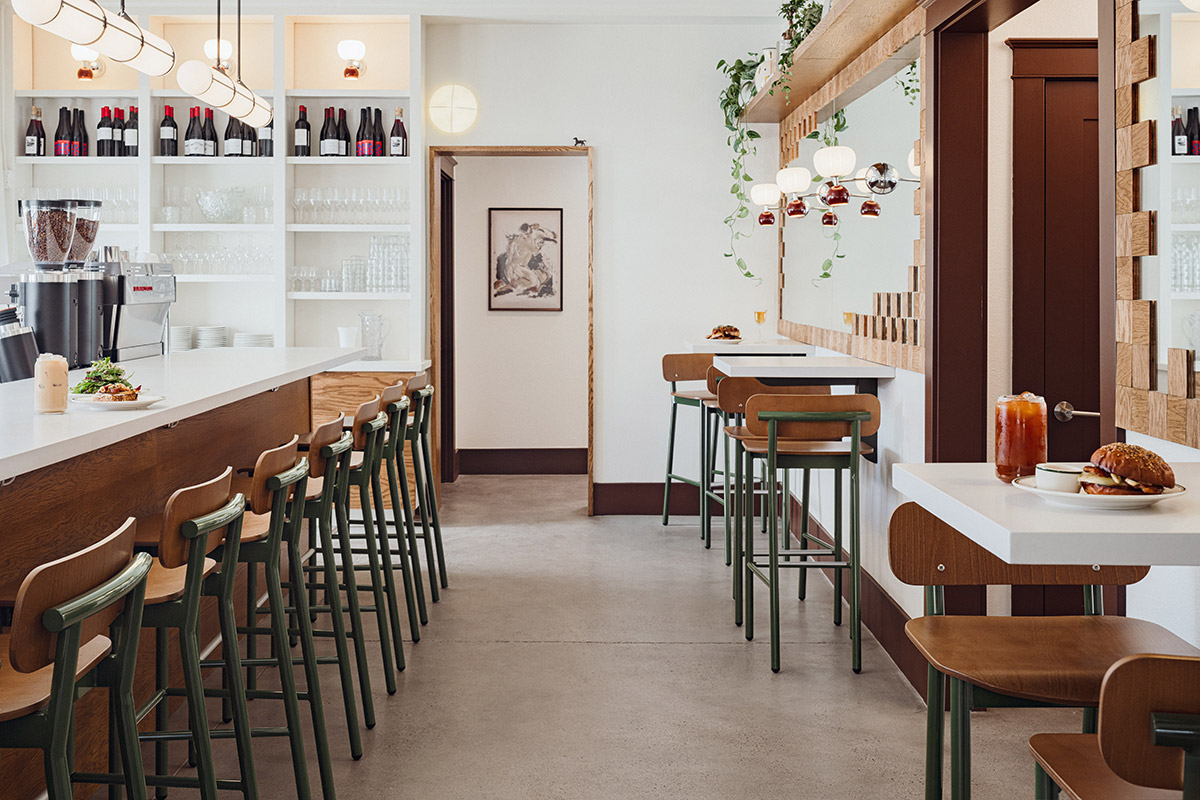
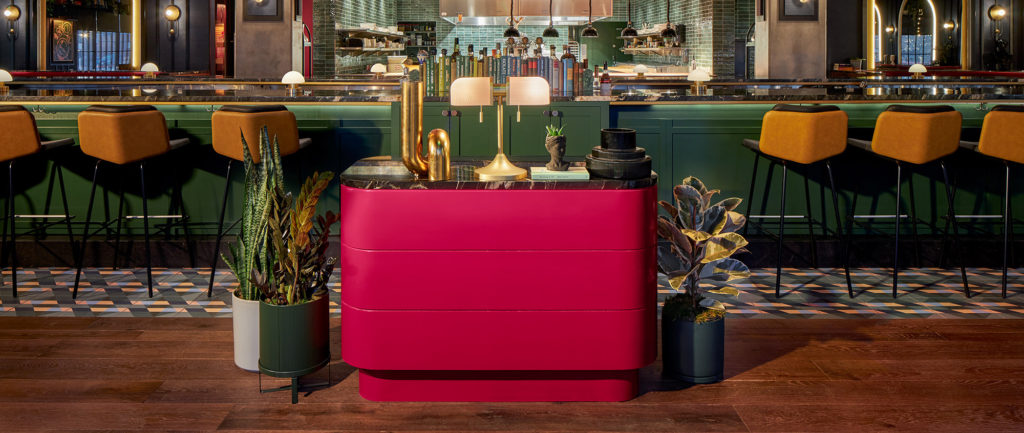
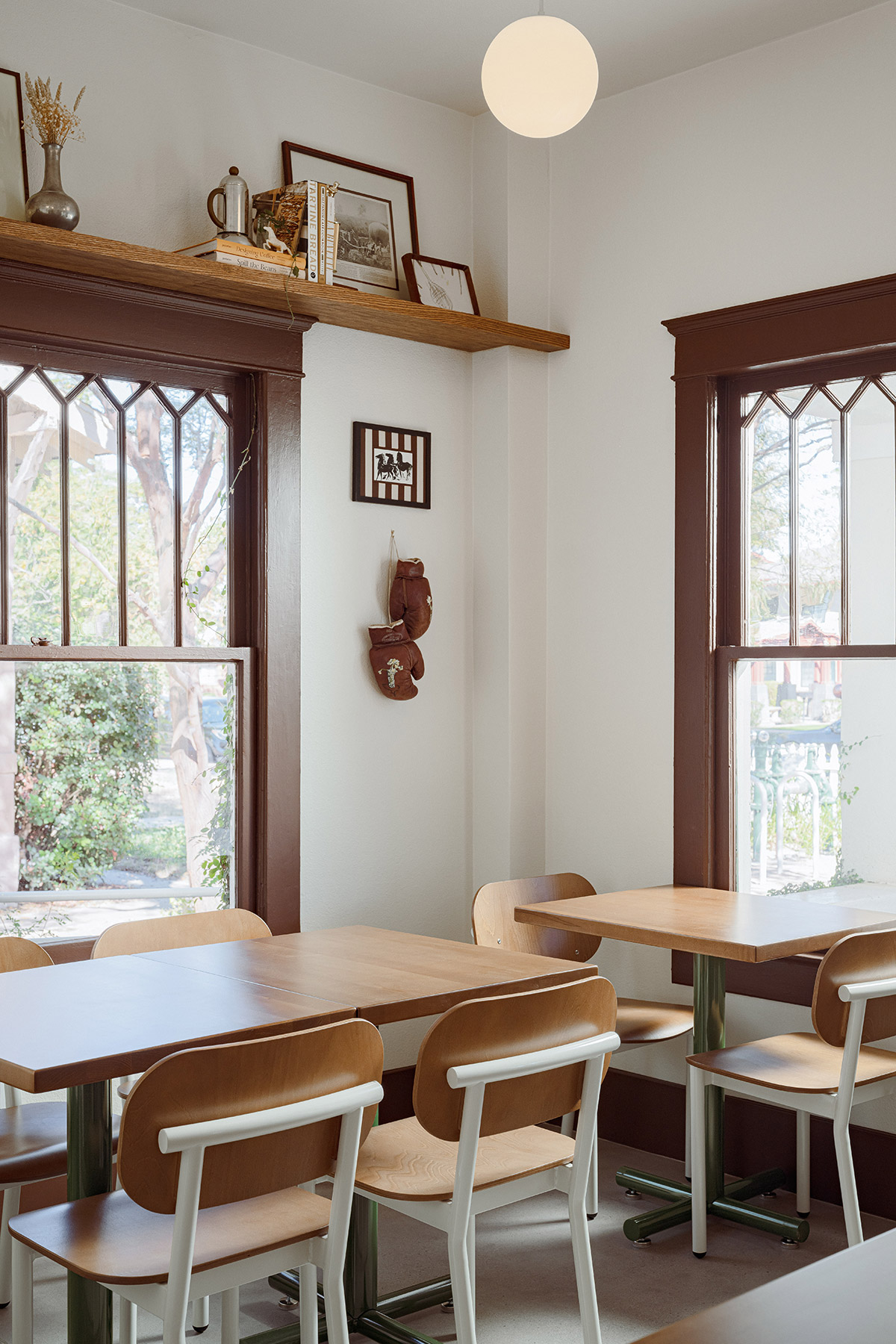
A similar feeling exists at Matilda’s All Day Café in Phoenix, designed by Need to Know. The goal wasn’t simply to create a coffee shop, but a place you accidentally spend your entire day in.
Layered with collected objects, warm materials, and a lived-in sensibility, the space feels personal rather than overly polished. That’s part of what makes third spaces effective—they feel approachable. Familiar. Human.
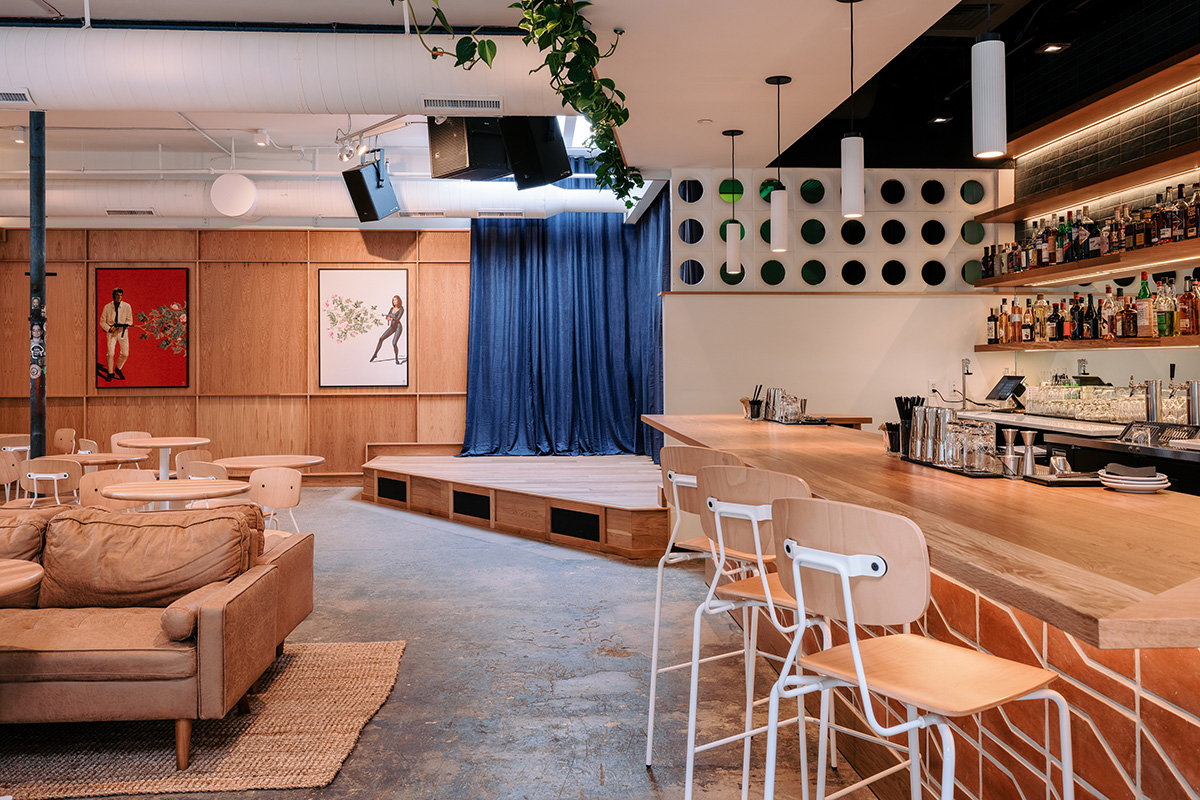
At Two Moons Music Hall in Denver’s RiNo district, flexibility becomes part of the experience itself. Through varied seating, movable furniture, and layered vantage points, guests can engage with the energy however they choose.
You can step into the crowd or hang back and take it all in. Settle into conversation or simply observe. The space adapts to the person using it—not the other way around.
The Role of Design
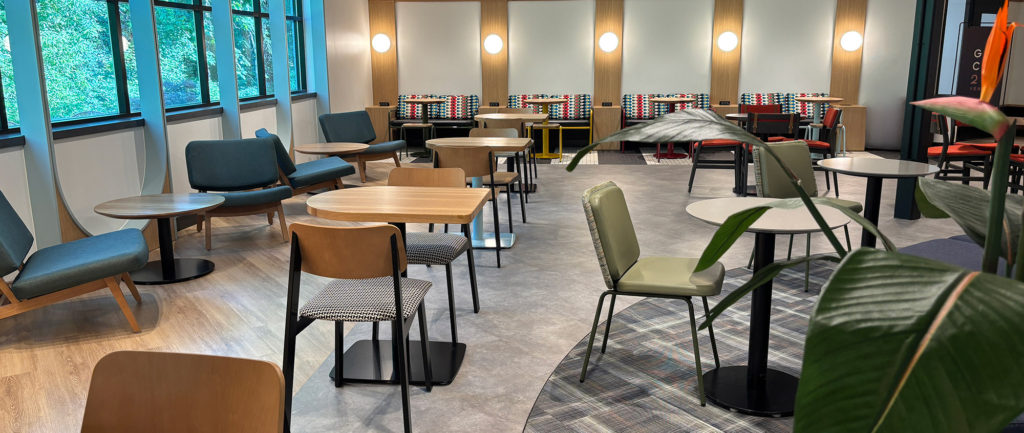
Design plays a critical role in making third spaces successful. The best ones don’t just look inviting—they function intuitively. They balance openness with privacy, movement with stillness, energy with comfort. They communicate that you’re welcome to stay awhile.
Furniture often carries much of that responsibility. The right pieces can support focused work, casual conversation, solo visits, or larger gatherings without forcing a single behavior. That flexibility is what makes third spaces feel human.
A Space Worth Choosing
Third spaces aren’t simply another design trend layered onto existing environments. They reflect a broader shift in how people want to live, work, and connect.
We’re no longer looking for spaces that serve a single purpose. We want environments that offer more flexibility, more comfort, and more freedom to engage on our own terms.
Places we don’t just pass through, but actually want to be in.