Trend Takeover—Color, Curves, and Craftsmanship
Commercial interiors are shedding their safe, predictable roots in favor of spaces that feel warmer, more inviting, and full of character. Explore three design trends helping to create environments where people actually want to linger.
For a while, commercial interiors seemed determined to prove that beige was a personality trait. Not anymore.
Today's spaces are embracing warmth, character, and a little more humanity. Whether it's a restaurant designed to encourage one more round, a workplace built to foster collaboration, or a multifamily lounge that feels more boutique hotel than apartment building, designers are creating environments that invite people to stay awhile.
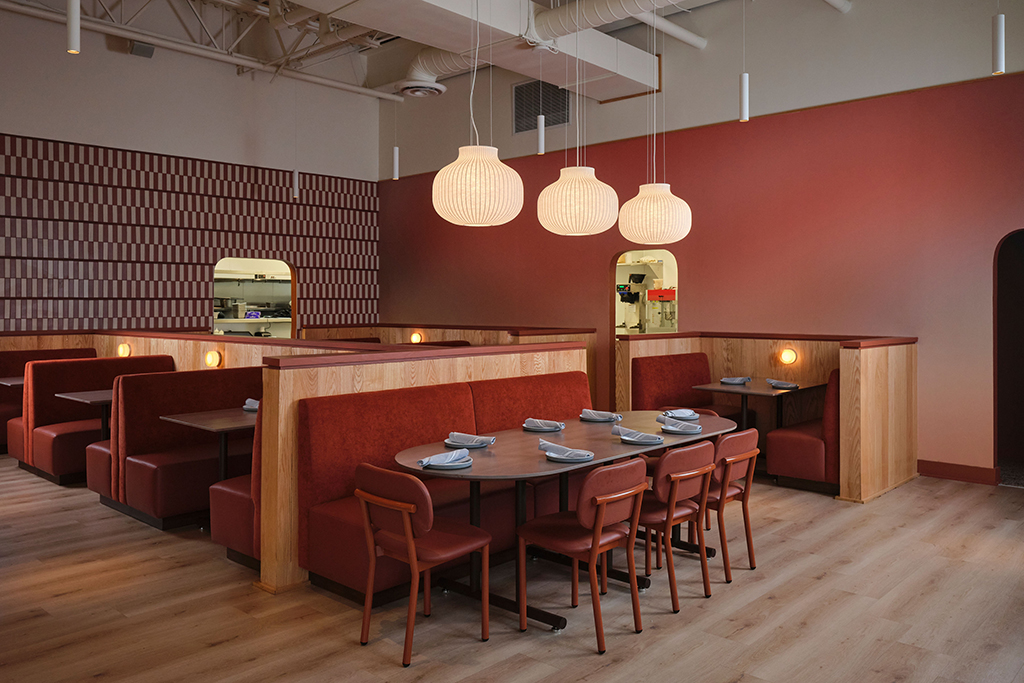
And while trends come and go, we're seeing a few themes show up again and again across commercial interiors: richer color palettes, thoughtful craftsmanship, and softer silhouettes. Together, they're helping transform spaces from simply functional to genuinely memorable.
Here are three trends we're loving right now—and how Grand Rapids Chair Company can help bring them to life.
Color is Back—And It's Not Being Shy
White and gray will always have their place, but they're no longer the stars of the show.
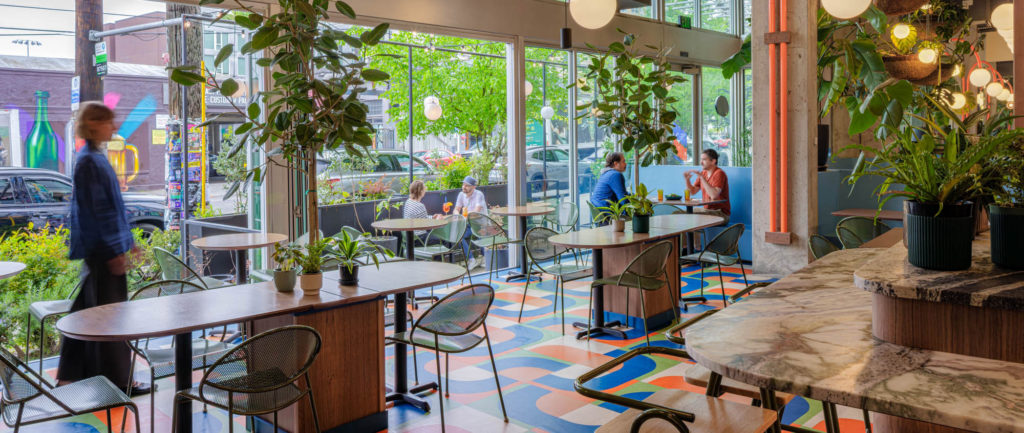
Instead, designers are reaching for palettes inspired by the natural world. Warm terracottas, rich burgundies, forest greens, and soft sky blues are bringing personality, warmth, and a sense of authenticity back into commercial spaces.
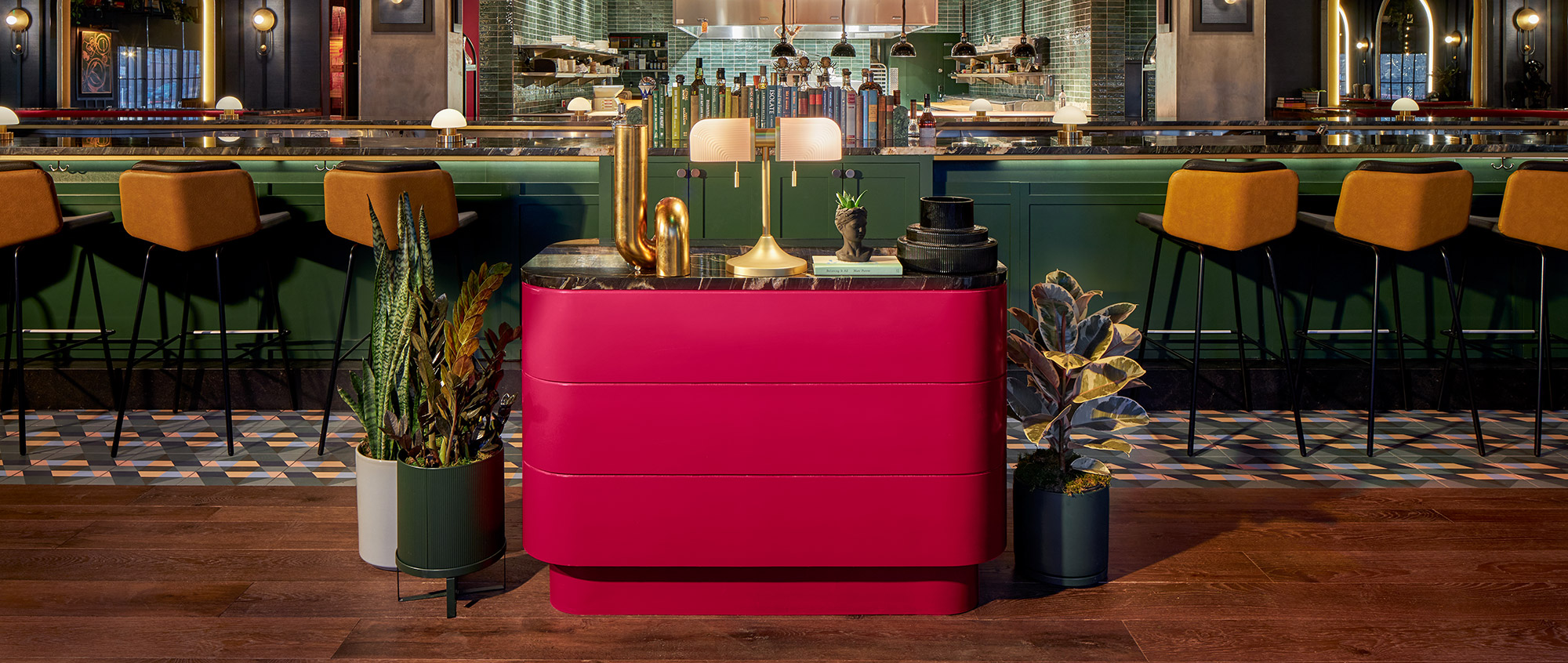
It's no surprise. After years of playing it safe, designers are looking for ways to create spaces that feel distinct and memorable. Color offers one of the simplest—and most impactful—ways to do just that. But don't just take it from us. Reporting on trends from 3daysofdesign in Copenhagen, Interior Daily highlighted deep burgundy as one of the event's standout colors, appearing across furniture and product displays. Combined with warm accent shades, the trend reinforces what we're seeing across commercial interiors: richer, nature-inspired palettes are making a strong return.
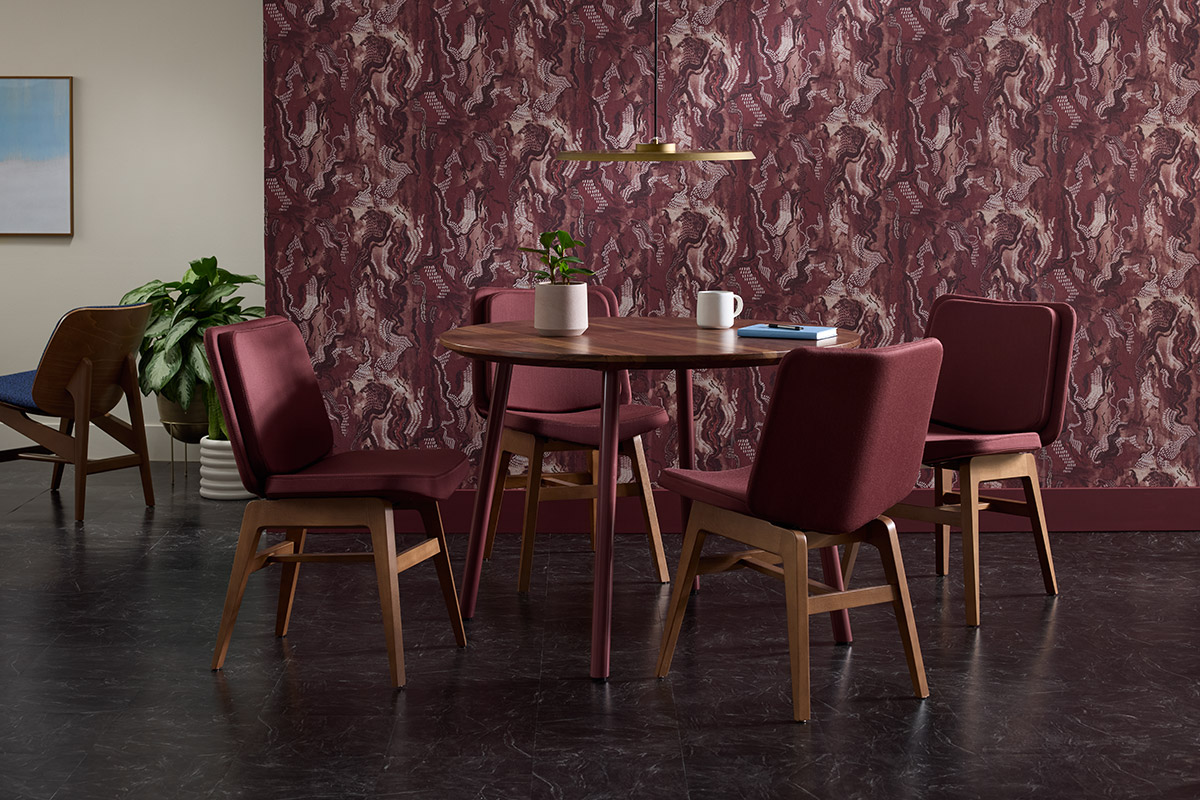
Hospitality design has long understood the power of color. It sets a mood, creates a sense of place, and helps tell a story. As hospitality-inspired design continues to influence workplaces, multifamily communities, student spaces, and beyond, those richer palettes are finding their way into every corner of the built environment.
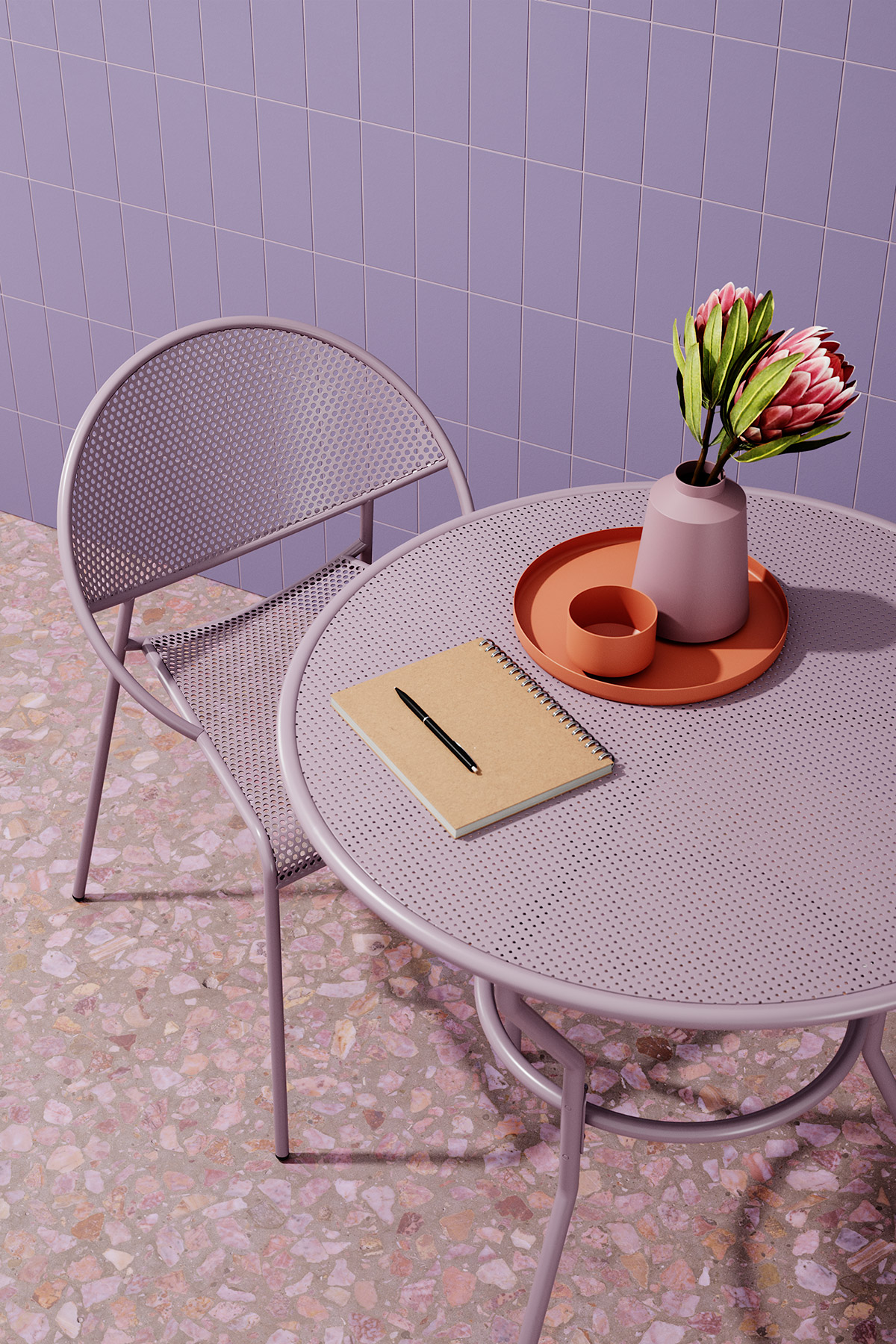
At Grand Rapids Chair Company, we make it easy to bring color into a project. Our seating collections are available in 16 standard powder coat colors, making it simple to add a pop of personality. Looking for something more specific? We also offer more than 150 premium powder coat options. And if you're still not finding exactly the right shade, we can custom match virtually any color, including Pantone®, Sherwin-Williams®, and other industry-standard color systems.
Learn more about our standard and custom finish optoins.
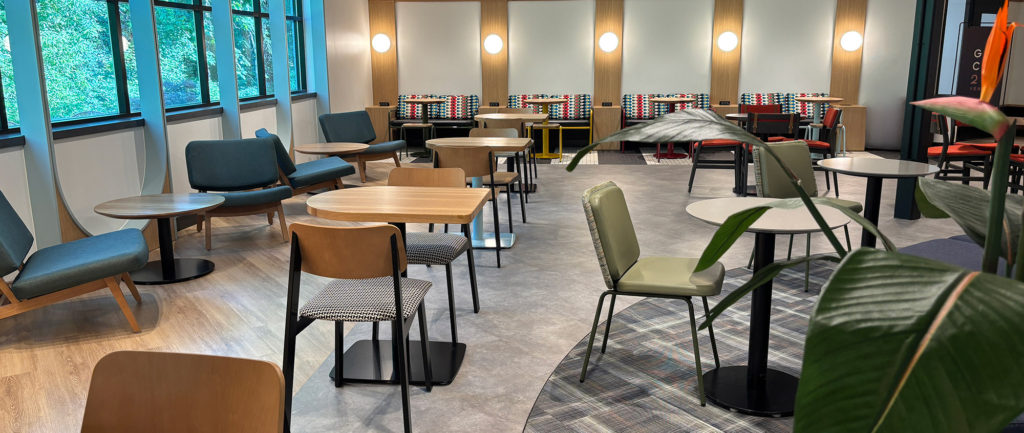
For upholstered pieces, our Graded-In Fabric Program provides access to discounted pricing from many of the industry's leading textile partners, making it easier than ever to layer color, texture, and pattern into a space.
Because sometimes the perfect finishing touch is finding exactly the right shade of green—not the almost-right shade of green.
Explore our graded-in surface material programs with industry-leading partners.
Crafted Details Matter More Than Ever
The little things? They're actually the big things.
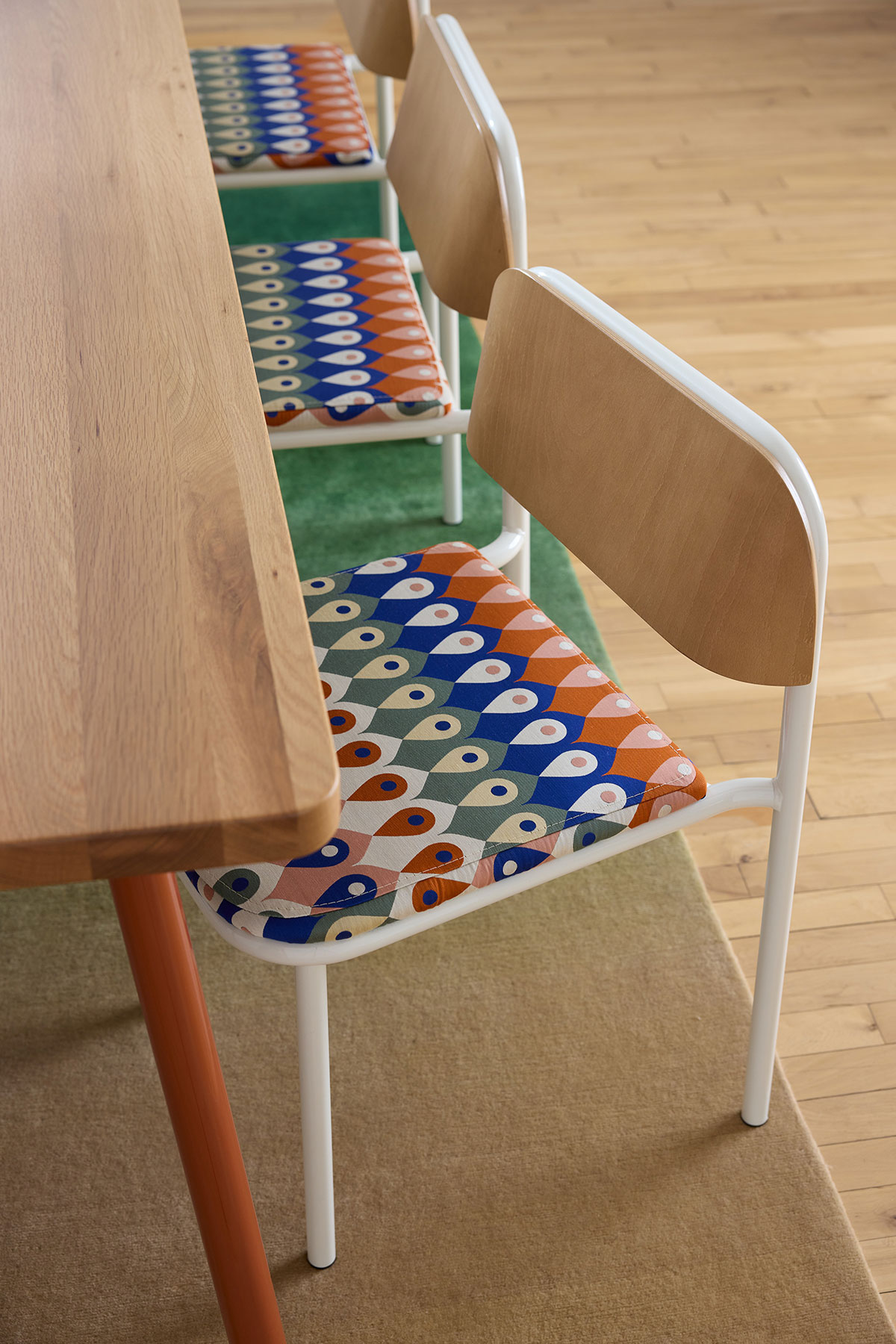
As commercial spaces become increasingly experience-driven, designers are paying closer attention to the details that make people pause, lean in, and take a second look. Thoughtful craftsmanship and unexpected design elements help transform furniture from functional to memorable.
It's part of a broader shift away from spaces that feel generic or interchangeable. People want environments that feel curated, authentic, and unique to their brand. More often than not, it's the details that make the difference.
We're not the only ones looking a little closer. In its post NeoCon and Design Days 2026 trend report, Corgan observed a growing appreciation for craftsmanship and tactility, highlighting everything from exposed wood joinery and woven fibers to thoughtfully engineered details that reveal how a piece is made. In a world of quick scrolls and first impressions, the designs that linger are often the ones that reward a second look.
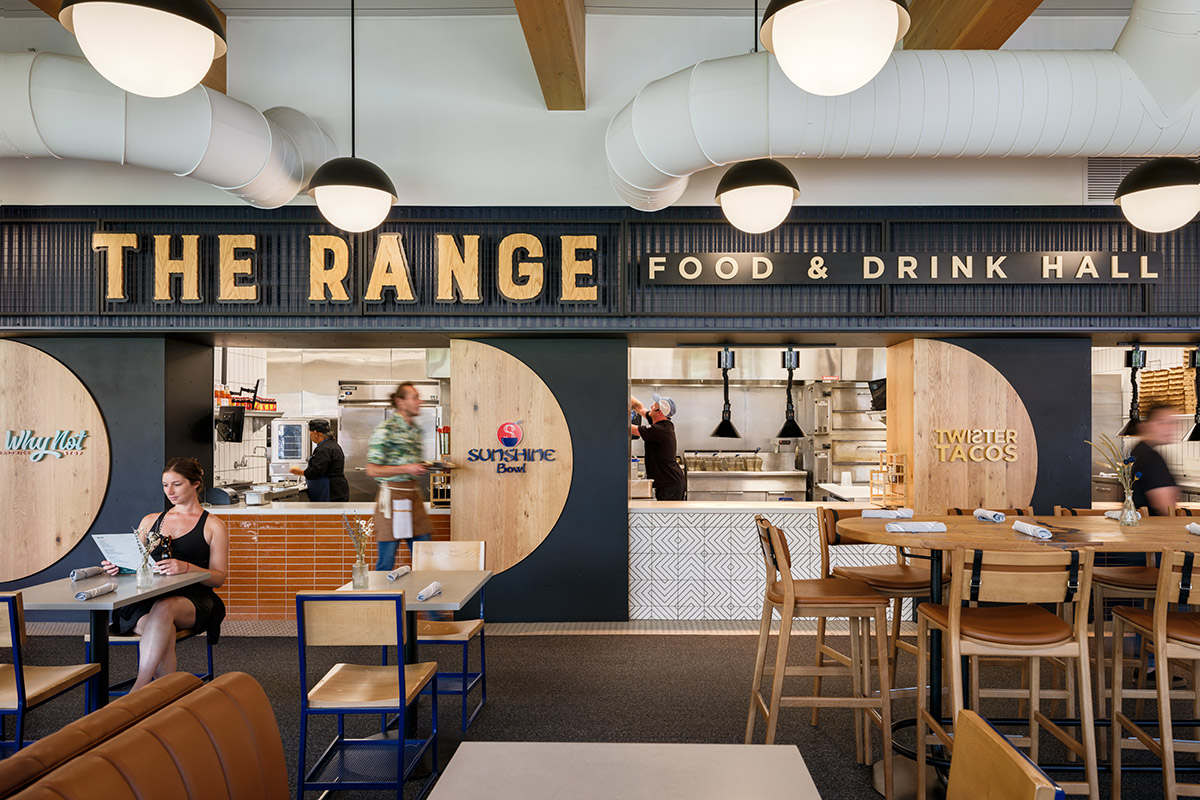
Take Sigsbee, for example. Inspired by mid-century design, the collection features a durable steam-bent solid wood frame and back that highlights the beauty of traditional woodworking techniques. Upholstery options allow it to move effortlessly between casual and elevated environments, while buckle attachments in nylon or leather and distinctive pill-shaped legs create unexpected moments of visual interest.
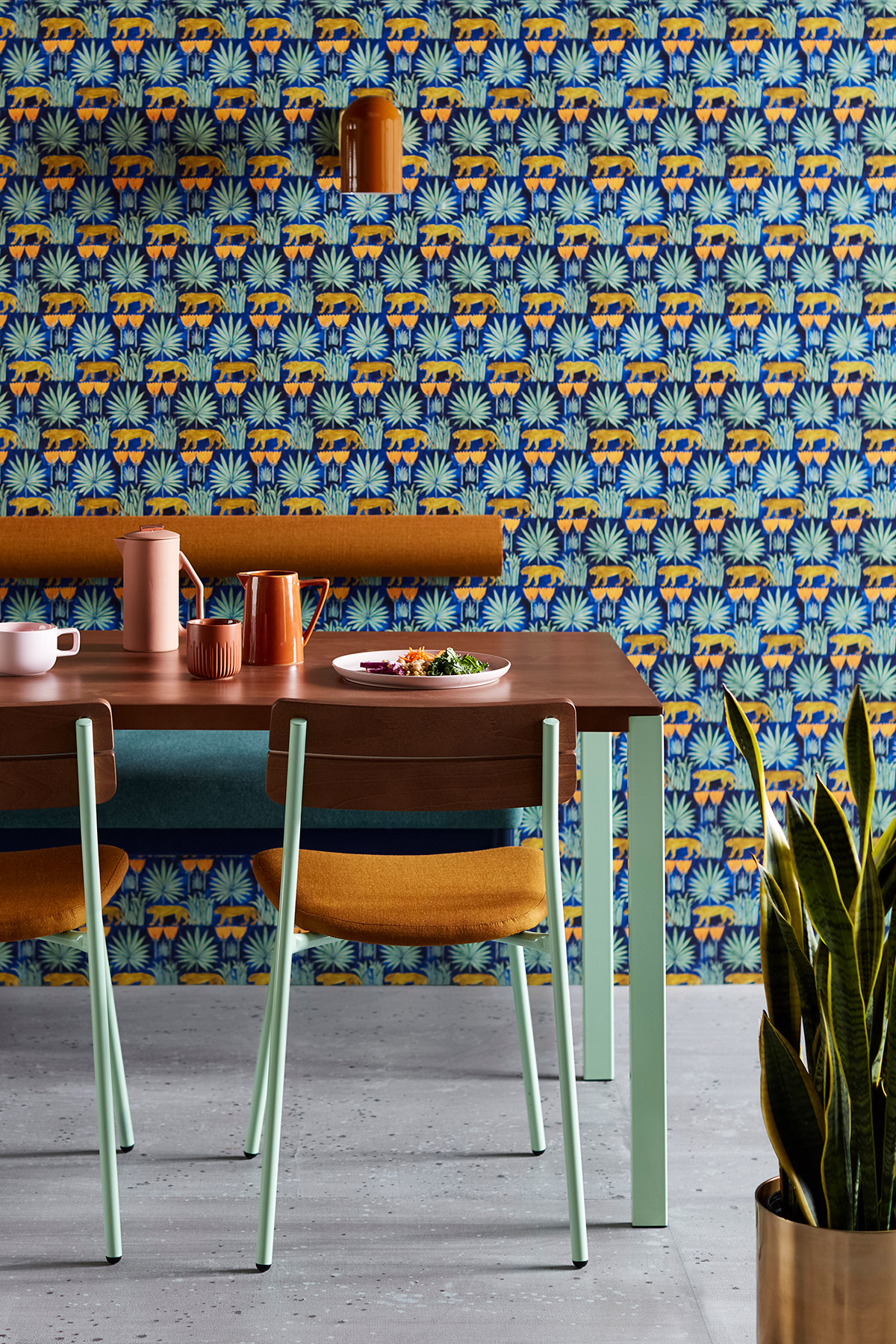
The same appreciation for craftsmanship can be found in the Brady Communal Table. At first glance, its clean lines and streamlined profile feel simple and understated. Look a little closer, however, and you'll discover handcrafted details that subtly blend the tabletop into the steel frame, creating a refined aesthetic that feels intentional from every angle.
Think of it as the design equivalent of discovering your favorite neighborhood café still bakes everything from scratch. It may not be the first thing you notice, but it's often the reason the experience feels special.
Softness Continues to Win
Sharp angles had a good run.
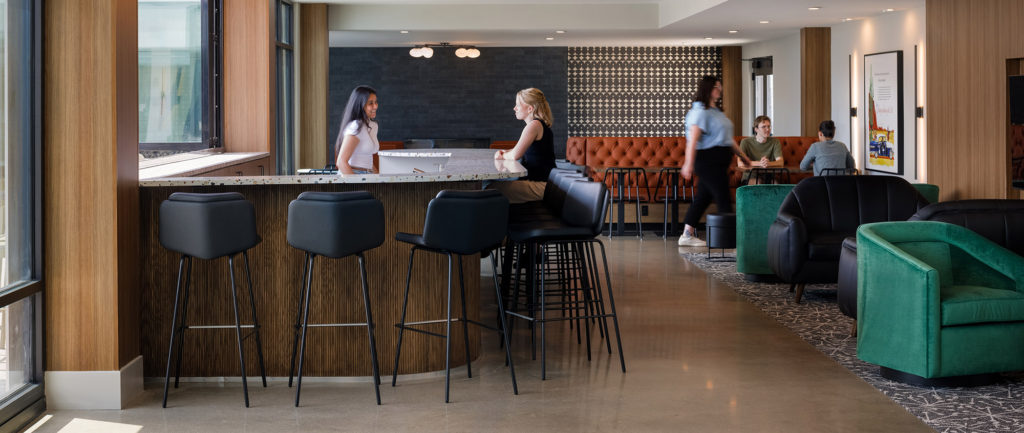
Today, designers are embracing softer silhouettes, rounded edges, and organic forms that make spaces feel more approachable and inviting. Whether in hospitality, workplace, or community environments, these shapes help create places where people want to gather, connect, and stay awhile.
The trend is rooted in a growing focus on comfort and well-being. As commercial spaces become increasingly centered around experience, designers are looking for ways to create environments that feel welcoming rather than intimidating. Soft forms help achieve that balance.
Bennett is a perfect example. Crafted from wood, its exaggerated angles communicate strength and durability, while carefully rounded details soften the overall silhouette. The result is a collection that feels both bold and welcoming—formal yet approachable, classic yet contemporary. It's a study in contrasts, and that's exactly what makes it so compelling.
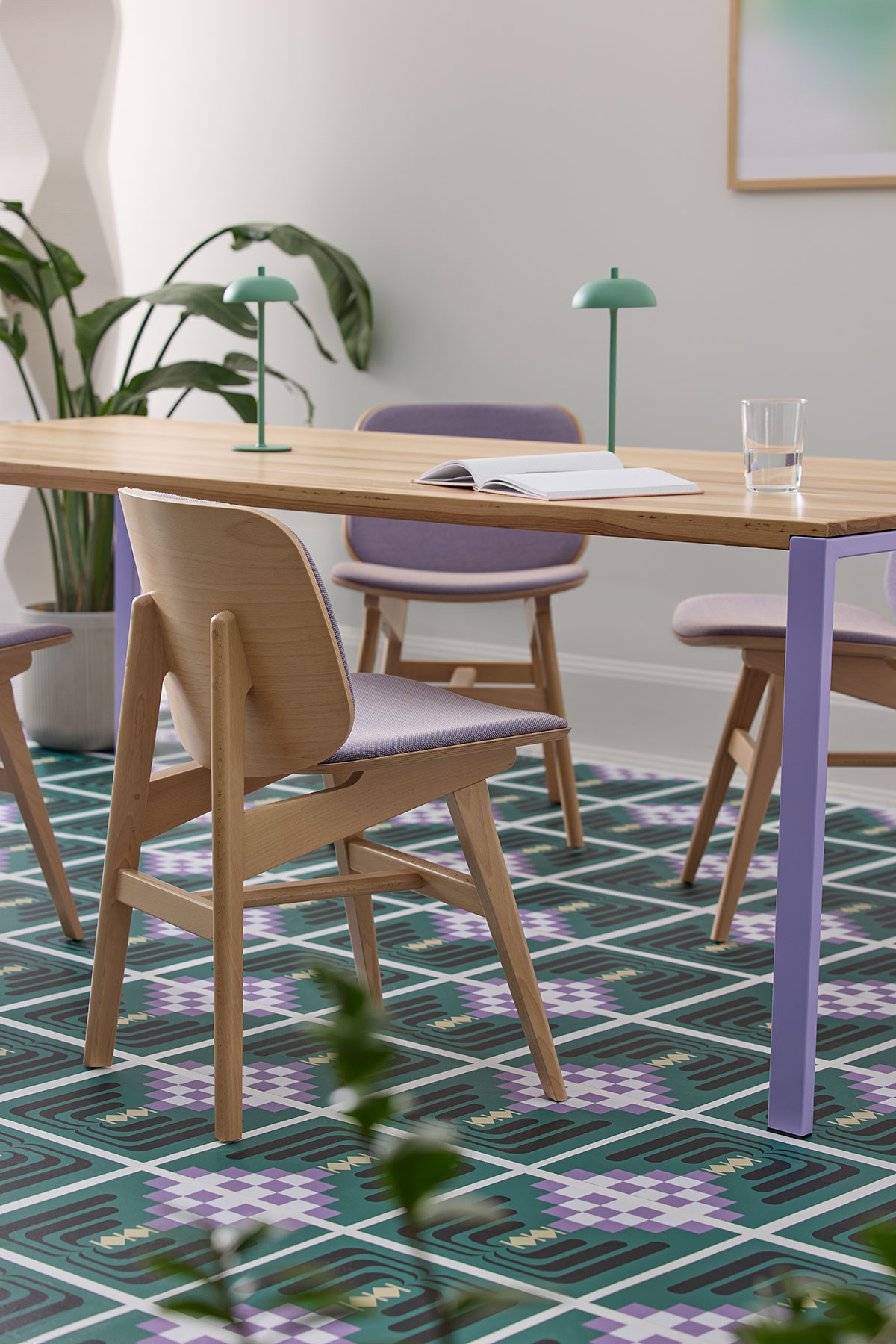
We're seeing this same shift extend beyond seating as well. Onesima was designed with softness in mind, bringing smooth lines, rounded shapes, and the warmth of natural materials to a category often dominated by simple pedestal bases. Through a range of shapes, sizes, and material options, the collection offers built-in flexibility while maintaining a cohesive, approachable aesthetic.
Because sometimes all it takes is softening a few edges to make a space feel a little more human.
Designing Spaces People Want to Be In
While trends will continue to evolve, the common thread behind today's commercial interiors is clear: people are craving spaces that feel warm, authentic, and welcoming.
Rich color adds personality. Crafted details add character. Softer silhouettes add comfort.
Together, they create environments that encourage connection, spark creativity, and invite people to stay a little longer. And whether you're designing a bustling restaurant, a collaborative workplace, or a welcoming community space, those are trends that never really go out of style.